Juergen Maier: The Industrial Leader Building Great British Energy’s Clean Power Ambition
How Juergen Maier’s industrial experience is shaping the future of Great British Energy and the UK’s clean power ambitions.

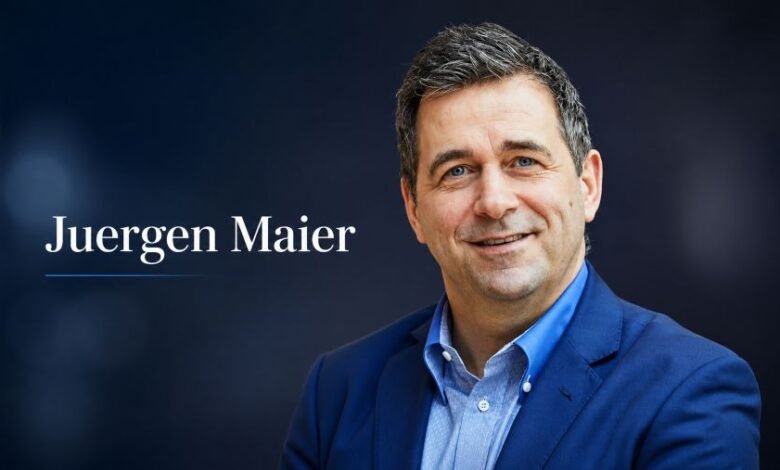
Table of Contents
ToggleIntroduction
Britain’s transition to cleaner energy is not only an environmental challenge. It is also an industrial challenge involving investment, manufacturing, skills, infrastructure, and long-term economic planning. This is the landscape in which Juergen Maier has taken a leading position.
Appointed Start Up Chair of Great British Energy in July 2024, Maier was chosen to help build a new publicly owned energy organisation from the ground up. His appointment attracted attention because his background is not primarily in energy policy or climate activism. Instead, he built his career in engineering, manufacturing, technology, and industrial transformation, most notably through almost three decades at Siemens.
His role at Great British Energy reflects a wider question facing the UK: can industrial expertise help turn clean-energy ambitions into practical projects, stronger supply chains, and economic benefits?
Quick Facts About Juergen Maier
| Category | Details |
|---|---|
| Full Name | Juergen Maier |
| Nationality | British-Austrian |
| Current Role | Start Up Chair of Great British Energy |
| Appointed | July 2024 |
| Previous Major Role | CEO of Siemens UK (2014–2019) |
| Industry Background | Engineering, manufacturing, technology, infrastructure |
| Siemens Career | Joined Siemens in 1986 |
| Known For | Industrial strategy, manufacturing, skills development, digital transformation |
Why Juergen Maier Became Important in Britain’s Energy Strategy
Great British Energy was created as part of the UK government’s plan to expand clean-energy investment and strengthen energy security. The organisation is designed as a publicly owned company that will invest in clean-energy projects and work with private-sector partners. It is not intended to replace existing household energy suppliers.
The government committed £8.3 billion over the parliamentary period to support Great British Energy and related activities. The company’s objectives include increasing clean-energy generation, supporting domestic supply chains, and helping communities benefit from renewable energy development.
For a new organisation of this scale, leadership experience matters. Building an energy company requires more than policy direction. It requires knowledge of infrastructure delivery, industrial partnerships, investment decisions, and workforce development.
This is where Maier’s career background became relevant.
From Siemens Engineer to Industrial Leader
Juergen Maier joined Siemens in 1986 and spent more than three decades working across engineering and industrial leadership roles.
Before becoming CEO of Siemens UK in 2014, he held senior positions connected with manufacturing and industrial operations. His career included leadership responsibilities in Siemens’ industry businesses and factory operations.
As CEO of Siemens UK, Maier became known for advocating stronger industrial capability in Britain. His work focused on areas such as:
- Advanced manufacturing
- Engineering skills
- Industrial digitalisation
- Infrastructure investment
His Siemens experience provided exposure to many of the same areas that influence the clean-energy sector today. Renewable energy development depends not only on generating electricity but also on supply chains, engineering expertise, manufacturing capacity, and technical skills.
The Siemens Experience That Connects With Great British Energy
One reason Maier’s appointment is significant is the connection between industrial policy and energy transition.
The clean-energy economy requires:
- Renewable technology manufacturing
- Grid infrastructure
- Skilled engineers
- Construction capability
- Long-term investment planning
These challenges are similar to those faced by major industrial companies. Energy projects often depend on complex supply networks and coordination between government, businesses, and local communities.
Maier’s previous focus on industrial competitiveness suggests an approach centred on delivery rather than only ambition. However, his success at Great British Energy will depend on how effectively that experience translates into the public-energy sector.
Great British Energy’s Mission and What Maier Must Help Deliver
Great British Energy was established through legislation in 2025. Its purpose is to support the UK’s clean-energy goals through investment and partnerships.
The organisation’s main priorities include:
- Supporting renewable energy development
- Improving energy security
- Encouraging investment
- Developing clean-energy supply chains
- Creating opportunities for communities
The challenge is turning these goals into measurable outcomes.
A successful organisation would need to demonstrate progress through practical results, such as:
- Completed energy projects
- Increased clean-energy capacity
- Private investment attracted
- Skilled jobs created
- Benefits delivered to communities
Funding provides a foundation, but money alone does not guarantee delivery. Energy projects often face challenges involving planning approvals, grid connections, construction timelines, and supply shortages.
Why Industrial Skills Are Central to the Energy Transition
The UK’s move toward cleaner energy requires a workforce capable of designing, building, and maintaining new infrastructure.
This includes engineers, technicians, manufacturing specialists, and construction workers.
Maier has repeatedly focused on the importance of skills and industrial capability during his career. That background aligns with a major issue in energy transformation: countries need both technology and people who can implement it.
A renewable-energy strategy without enough skilled workers risks slowing project delivery.
This makes workforce development one of the less visible but important areas connected with Great British Energy’s success.
Public Ownership Meets Commercial Reality
Great British Energy represents a different model from traditional private energy companies.
It combines:
- Public ownership
- Government-backed investment
- Commercial partnerships
Supporters argue that public ownership can help the UK take a longer-term approach to energy investment. It can focus on strategic goals that may not always attract immediate private-sector investment.
Critics have raised questions about cost, efficiency, and the role of government in commercial markets.
These debates remain unresolved because Great British Energy is still in its early development phase. The organisation’s reputation will largely depend on future performance rather than initial announcements.
The Challenges Facing Juergen Maier and Great British Energy
Leading a start-up organisation in the energy sector presents several difficulties.
Turning Plans Into Real Projects
The biggest test is delivery. Announcements and funding commitments must eventually become operating energy assets.
The important measures will be practical outcomes rather than statements of intent.
Balancing Speed and Accountability
The UK wants faster clean-energy development, but energy projects require careful planning, environmental assessment, and financial management.
Moving quickly while maintaining public confidence will be a difficult balance.
Building Industry Confidence
Great British Energy must attract cooperation from businesses that already operate in the energy market.
Maier’s private-sector background may help bridge the gap between government objectives and industrial expectations.
What Makes Juergen Maier’s Role Different
Many leaders in energy transformation come from environmental policy, utilities, or government backgrounds. Maier represents a different route.
His expertise comes from industrial change.
The central question surrounding his leadership is whether the methods used to modernise manufacturing can help accelerate Britain’s energy transition.
The answer will depend on execution. His experience provides relevant tools, but Great British Energy operates in a highly regulated and politically sensitive environment.
Future Outlook: The Real Measure Will Be Delivery
Juergen Maier’s appointment signals that Great British Energy is being approached not only as an energy project but also as an industrial development opportunity.
His career suggests a focus on engineering, investment, and economic capability. Those strengths may help the organisation build strong foundations.
However, the final judgement will come from measurable outcomes. The success of Great British Energy will depend on whether it can move beyond strategy documents and create lasting improvements in energy supply, industrial capacity, and community benefits.
Maier’s challenge is clear: help transform a national ambition into a working energy organisation.
Frequently Asked Questions
Who is Juergen Maier?
Juergen Maier is an industrial leader who previously served as CEO of Siemens UK and became Start Up Chair of Great British Energy in 2024.
What is Juergen Maier’s role at Great British Energy?
He serves as Start Up Chair, helping establish the organisation’s structure, governance, and strategic direction.
Why was Juergen Maier chosen for Great British Energy?
His background in engineering, manufacturing, and industrial leadership matches many of the challenges involved in building clean-energy infrastructure.
Was Juergen Maier the CEO of Great British Energy?
No. He was appointed Chair. The Chair role focuses on governance and strategic oversight, while day-to-day operations are managed by the executive team.
What is Great British Energy?
Great British Energy is a publicly owned UK energy company created to support clean-energy investment and strengthen energy security.